
Preparation reduces live decisions
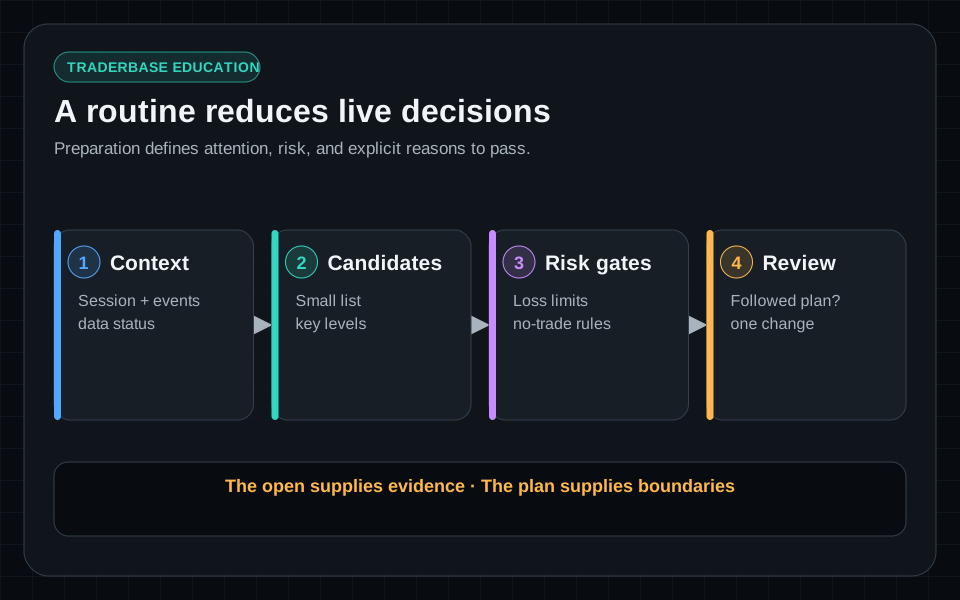
The open compresses information and emotion into a short period. A routine moves repeatable choices—maximum loss, acceptable setups, key levels, and disqualifying conditions—into a calmer part of the day.
The purpose is not to predict the session. It is to define what you will pay attention to and what evidence must appear before capital is at risk.
Keep the checklist short
A routine that cannot be completed consistently becomes decoration. Focus on current market session, scheduled events, a small candidate list, liquidity, chart levels, per-trade risk, and the daily loss boundary.
- Write down the session loss limit.
- Identify only the clearest candidates and levels.
- State what removes each symbol from consideration.
- Include a no-trade outcome before the open.
Close the loop after the session
Compare the plan with actual executions and decisions. Note where the routine prevented an impulsive trade, where it was ignored, and whether a missing checklist item repeatedly caused confusion. Change one element at a time.
Educational content only. Trading involves substantial risk, and scanner events are not recommendations to buy or sell securities.