
What VWAP actually describes
VWAP estimates the session’s volume-weighted average traded price. Unlike a fixed-period moving average, it incorporates where volume occurred and resets for the trading session. That makes it a useful reference for whether current price is trading above or below the session’s volume-weighted center.
A line on a chart is not a reason to trade by itself. VWAP becomes useful when it aligns with structure, participation, and a defined risk point.
Reclaim versus rejection
A reclaim needs more than a momentary print above the line. Look for acceptance: closes above VWAP, improving volume, a higher low, and room before the next resistance level. A rejection is stronger when price tests from below, cannot hold, and sellers regain control with expanding volume.
- Check whether the stock is extended before the VWAP interaction.
- Use the same session and timezone across candles, executions, and annotations.
- Define the level that invalidates the reclaim or rejection before entering.
- Record whether VWAP was the setup, confirmation, or merely context.
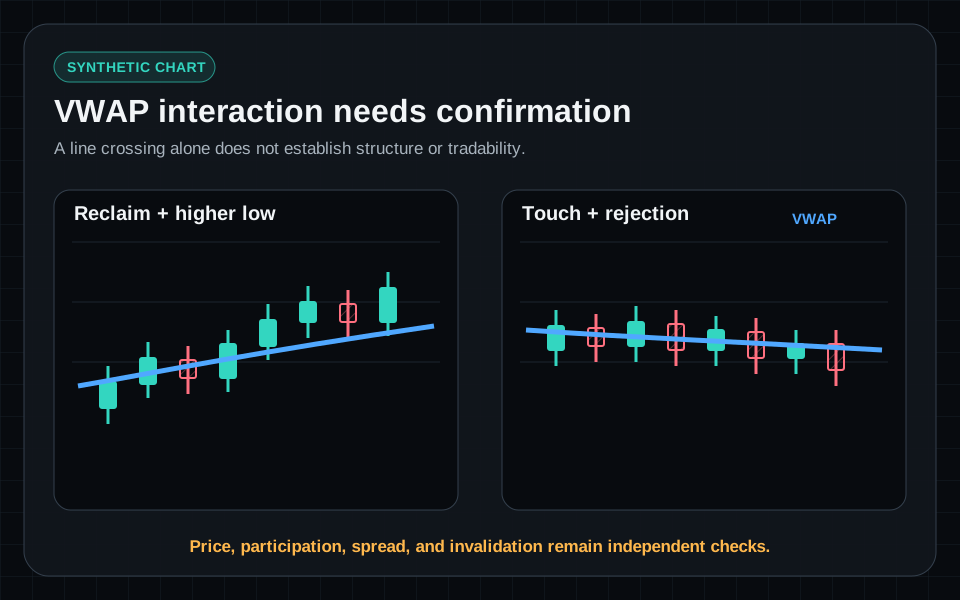
Validate the event against the chart
A VWAP scanner event should carry its provider timestamp and measured trigger into the linked chart. Compare the event with the same session candles, volume, nearby resistance, and available catalyst context before deciding whether the move has acceptable structure.
Educational content only. Trading involves substantial risk, and scanner events are not recommendations to buy or sell securities.